Socialization is one of the most important aspects of raising a well-adjusted, confident dog. Whether you've just brought home a new puppy or adopted an adult rescue, the principles of positive socialization remain the same. Though the approach may differ.
Why Socialization Matters
A well-socialized dog is comfortable in a variety of environments, around different people, animals, and situations. This doesn't mean your dog needs to love every interaction. It means they can navigate the world without excessive fear or aggression.
Research shows that the critical socialization window for puppies closes around 14-16 weeks of age. This does not mean older dogs cannot learn. It simply means the process requires more patience and a structured approach.
The goal of socialization isn't to make your dog love everything. The goal is to help them feel confident and neutral in the face of new experiences.
Starting With Puppies
For puppies under 16 weeks, socialization should be a daily priority. The key is to create positive associations with new stimuli while never overwhelming your puppy. Here are the fundamentals:
- Introduce new environments gradually. Start with quiet spaces and slowly add complexity
- Pair every new experience with high-value treats and calm praise
- Watch your puppy's body language closely. Ears back, tail tucked, or whale eye mean they need more distance
- Keep sessions short (5-10 minutes) and always end on a positive note
- Expose them to different surfaces, sounds, people of various ages, and friendly, vaccinated dogs
Socializing Adult Dogs
Adult dogs who missed their critical socialization window aren't a lost cause. Far from it. The approach simply needs to be more methodical and patient. Counter-conditioning and desensitization are your two most powerful tools.
Counter-Conditioning Basics
Counter-conditioning works by changing your dog's emotional response to a stimulus. If your dog is fearful of other dogs, for example, you would pair the sight of another dog (at a comfortable distance) with something your dog loves, like their favorite treat or toy.
- 1Identify your dog's threshold, the distance at which they notice and stay calm
- 2At threshold distance, begin pairing the trigger with high-value rewards
- 3Gradually decrease distance over multiple sessions as your dog remains calm
- 4Never push past your dog's comfort zone. Regression is harder to fix than slow progress
The Role of Professional Daycare
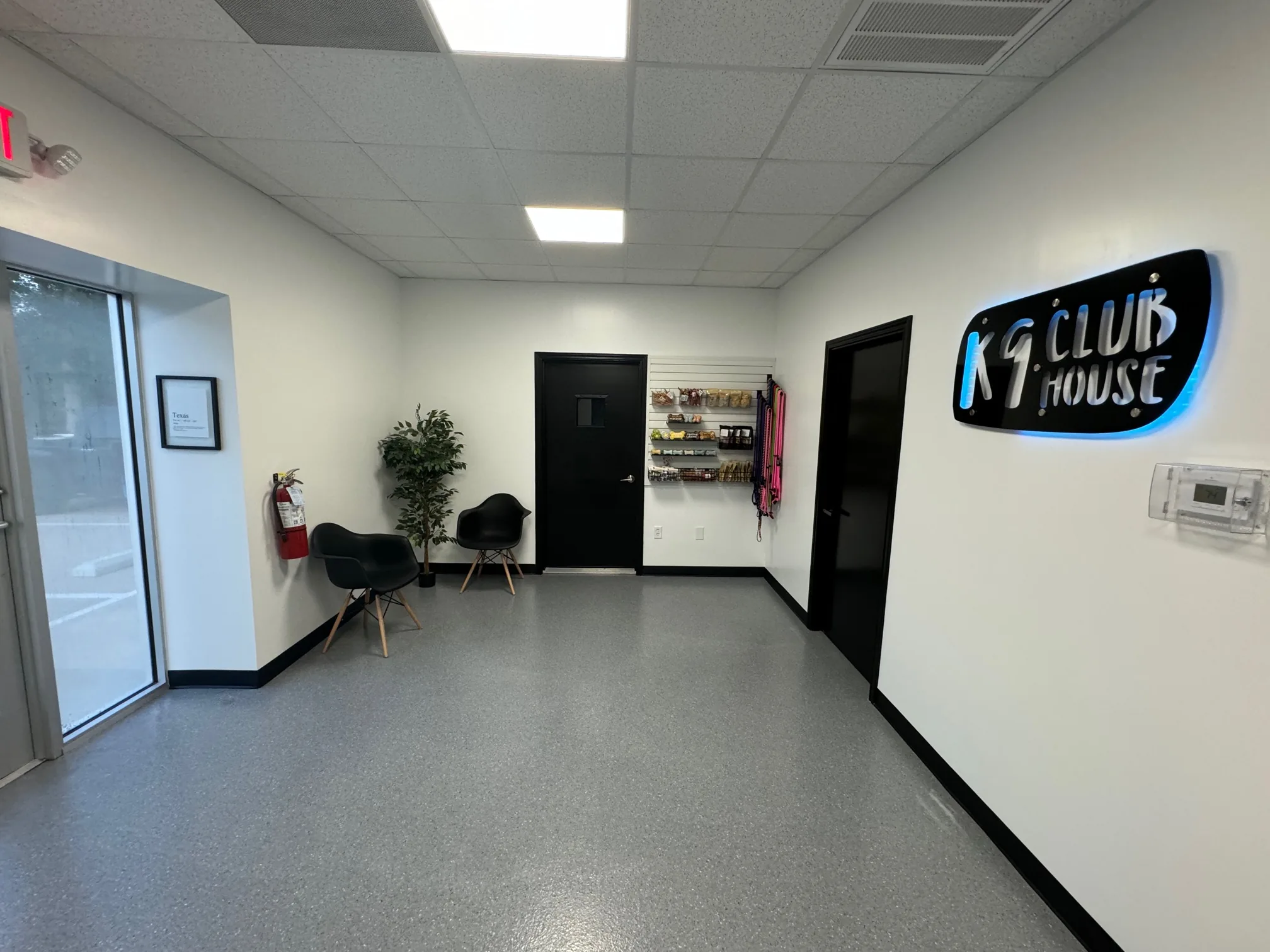
Structured daycare environments like K9 Clubhouse provide an ideal setting for ongoing socialization. Our certified handlers monitor every interaction, ensuring play groups are matched by temperament, size, and energy level.
Unlike unstructured dog parks, professional daycare offers controlled introductions, immediate intervention when needed, and consistent positive experiences that build your dog's social confidence over time.
What to Look for in a Socialization Program
- Small, temperament-matched play groups (no more than 8-10 dogs per handler)
- Certified staff trained in canine body language and behavior modification
- Separate areas for different energy levels and play styles
- Regular breaks and rest periods to prevent overstimulation
- Daily progress reports and behavioral observations
Common Mistakes to Avoid
Even well-intentioned pet parents can accidentally set back their dog's socialization progress. Here are the most common pitfalls we see:
Flooding, or exposing your dog to too much too fast, is the single biggest mistake. Taking your fearful dog to a busy dog park and hoping they'll "figure it out" almost always makes things worse. Similarly, forcing your dog to interact when they're showing stress signals teaches them that their communication is being ignored.
Progress in socialization isn't linear. Some days will be better than others, and that's completely normal. Celebrate small wins and be patient with setbacks.
With consistency, patience, and the right support system, every dog can become more confident and comfortable in the world around them. The investment you make in socialization today pays dividends for the rest of your dog's life.
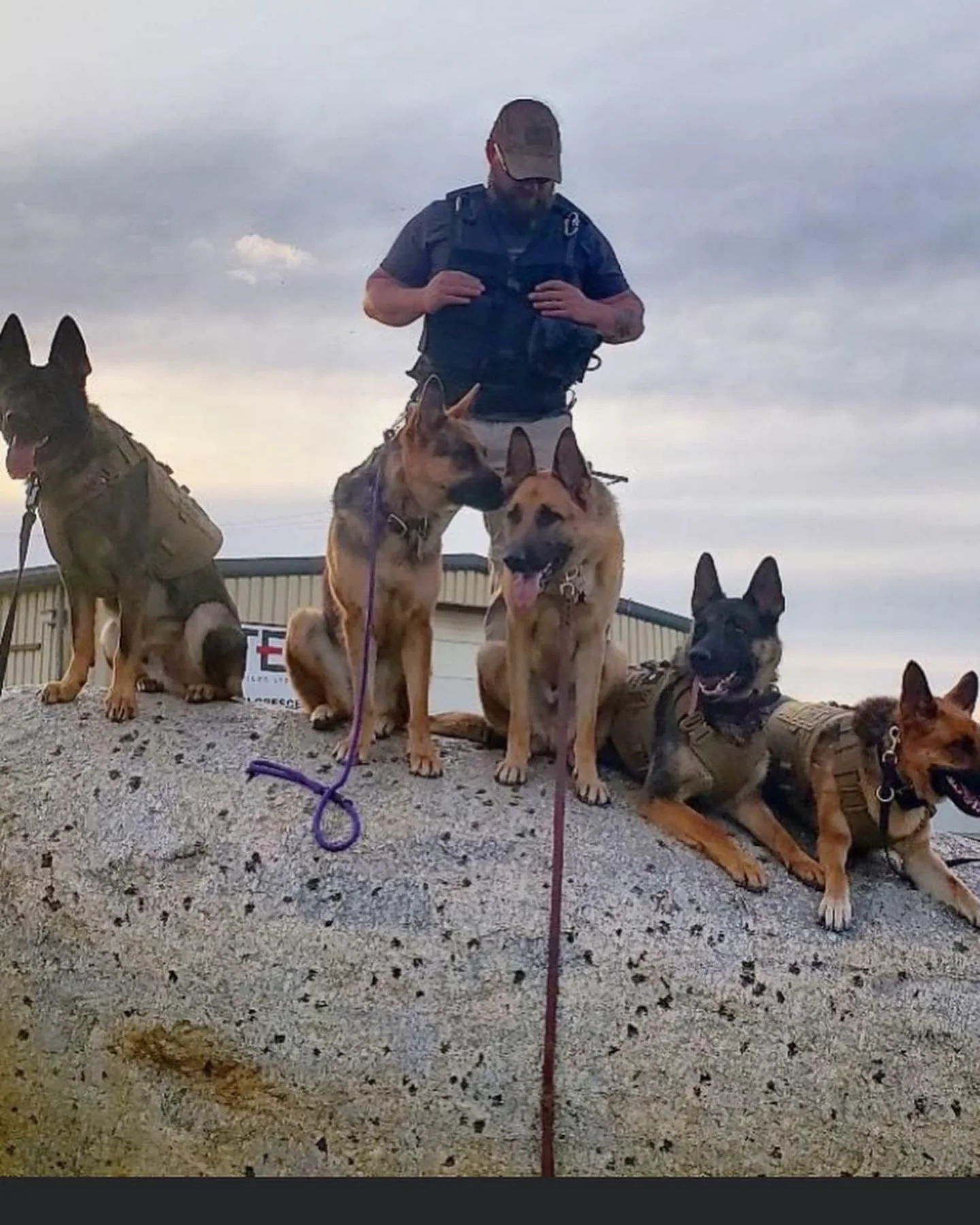
With over 15 years of experience in canine behavior and training, Dr. Mitchell leads our behavioral programs and ensures every dog at K9 Clubhouse receives personalized, science-based care.